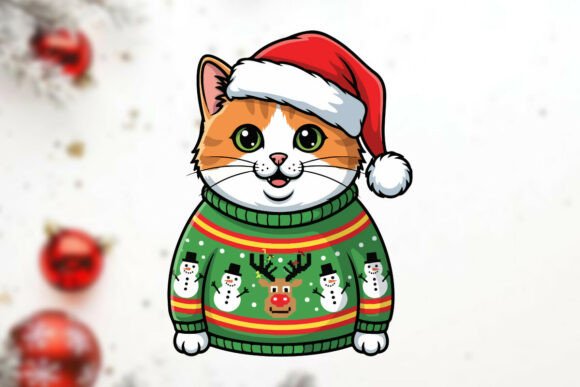
Tabby Cat Wearing a Christmas Sweater Review
When I first opened the file for Tabby Cat Wearing a Christmas Sweater, my immediate thought wasn't about the festive theme, but rather how this design would hold up under the needle. As someone who has spent years turning digital assets into tangible handmade products, I know that a cute concept can easily fall flat if the execution isn't sound. This piece falls squarely into the Crafts and Graphics categories, promising vibrant vector details and modern styling. But does it translate well from a screen to a stitched finish? Let's dive into a practical evaluation based on real-world application.
The First Impression: Mood and Visual Personality
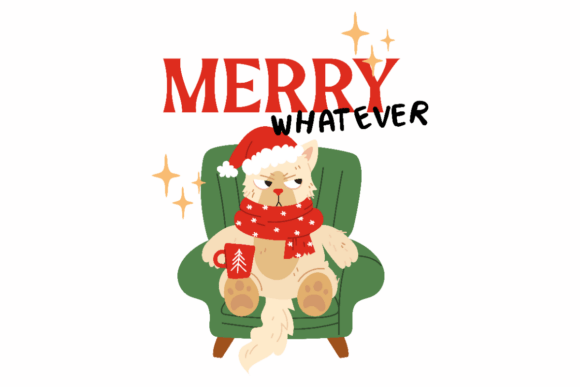
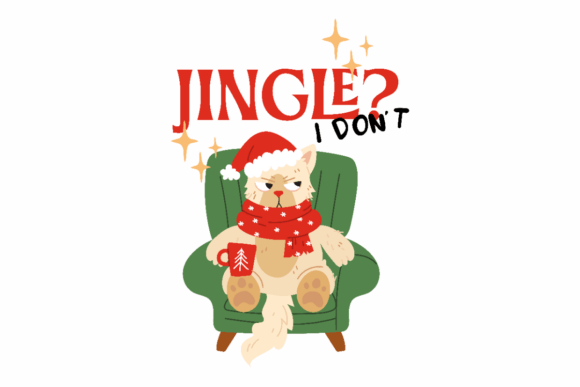
The moment you look at Tabby Cat Wearing a Christmas Sweater, it exudes a cozy, nostalgic warmth. It feels less like a generic holiday clipart and more like a character with a story. The layout is centered and balanced, which is exactly what you want when planning a custom apparel project. The visual personality is bold yet approachable, making it an ideal candidate for personalized gifts or boutique branding where you need to evoke an emotional connection immediately.
In terms of design integrity, the artwork suggests a mix of textures. The tabby stripes imply a need for good fill stitch density to capture the fur pattern without it looking muddy, while the sweater itself likely relies on satin stitches for a smooth, clean finish. This combination creates a dynamic contrast that catches the eye. For an Etsy seller or small shop owner, this kind of distinct visual identity is crucial. It helps your product stand out in a crowded feed, offering instant personality to any apparel project as the description claims.
Real-World Scenario: From Digital File to Holiday Gift
Let me paint a picture of how I would use Tabby Cat Wearing a Christmas Sweater in a live production run. Imagine it is early November, and I am preparing a batch of custom embroidered tote bags for a local craft fair. I have chosen a heavy-duty canvas bag because it provides a sturdy foundation for embroidery. My goal is to create a unique holiday gift item that customers will actually want to carry year-round, not just during December.
I place the design in the center of the tote. The size looks perfect for the available space, neither too small to be missed nor so large that it overwhelms the bag's structure. When I thread my machine, I select deep forest greens and warm creams to complement the cat's orange and black stripes. As the machine starts stitching, the design holds its shape beautifully. The details remain crisp even after hours of production. The finished product looks professional, elevating a simple canvas tote into a high-value handmade product. I imagine the customer receiving this as a personalized gift for a cat lover; the reaction would likely be delight, reinforcing trust in my brand.
This same logic applies to other projects. Whether I am embroidering a baby onesie for a nursery decor line or creating an embroidered patch for a denim jacket, the versatility of Tabby Cat Wearing a Christmas Sweater shines through. It fits seamlessly into holiday embroidery collections, serving as a centerpiece for sweatshirt embroidery or kitchen towels. The design acts as a reliable asset for any creative entrepreneur looking to expand their inventory with seasonal items.
Technical Performance and Stitch Clarity
When evaluating a machine embroidery design, the devil is always in the details. Tabby Cat Wearing a Christmas Sweater demonstrates strong potential for clarity, provided the stitch density is managed correctly. The running stitches used for outlines should define the edges sharply against the background fabric. If the density is too high, the fabric might pucker, especially on thinner materials. If it is too low, the intricate details of the cat's face could get lost.
The design's success often hinges on the choice of thread colors. A dark background requires lighter threads for the sweater to pop, while a light background allows for deeper, richer tones in the cat's fur. Testing the design in black and white mockups before cutting fabric is a step I never skip. This ensures that the contrast levels are sufficient and that the shapes remain distinct regardless of color choices. Furthermore, checking the stitch density in dense areas prevents the dreaded "holey" look where the fabric shows through the stitching.
For those working with commercial embroidery projects, consistency is key. This design offers a modern styling that translates well across different mediums, from tote bag designs to sweatshirt embroidery. The vector nature of the original graphics ensures that scaling the design up or down doesn't result in pixelation, allowing for flexibility in apparel decorators who need to adapt the look for various garment sizes.
Where to Use Caution: Limitations and Challenges
No design is universally perfect, and Tabby Cat Wearing a Christmas Sweater has specific scenarios where it requires careful handling. One major consideration is the hoop size. If you attempt to stitch this on a very small surface, such as a tiny cap brim or a miniature baby bootie, the fine details might become indistinguishable. Small hoops often struggle with complex curves and detailed corners, leading to a loss of definition.
Fabric texture also plays a critical role. While this design works wonders on stable fabrics like cotton twill or felt, it may struggle on highly textured surfaces like bouclé or loose-knit wool. On stretchy fabrics, such as thin jersey t-shirts, the stabilizer choice becomes paramount. Without proper support, the tension of the stitches could cause the fabric to warp, ruining the intended shape of the sweater. Similarly, on dark fabrics, ensuring adequate coverage is essential to prevent the underlying color from bleeding through the lighter threads.
Another area of caution involves products that require frequent washing. While the design is robust, decorative accents or tiny lettering (if included) might wear down faster than larger fill areas. For long-lasting results, especially on items like aprons or workwear, it is vital to inspect the design for weak points and reinforce them if necessary. Always test the design on scrap fabric first to gauge how the specific combination of thread and fabric behaves over time.
Practical Designer Notes for Success
To get the most out of this embroidery file, there are several best practices to follow. First, confirm the hoop size requirements and ensure your machine can accommodate the dimensions without cropping important elements. If you are using an applique design technique, pay close attention to the placement of the applique pieces to ensure they align perfectly with the base layer.
Stabilizer selection is non-negotiable. For a design with significant fill areas like a sweater, a cut-away stabilizer often provides the best long-term stability, preventing the stitching from pulling the fabric. Conversely, for temporary projects on delicate items, a tear-away might suffice, but always verify the weight of the stabilizer matches the weight of the fabric.
Before committing to a full production run, I strongly advise comparing light and dark fabric backgrounds to see how the design adapts. Create printable mockups to visualize the final look on actual garments or accessories. This step helps in setting realistic expectations for clients and buyers. Additionally, check whether the design works for both personal and commercial projects by reviewing the licensing terms. Confirming these details upfront saves time and avoids legal headaches later.
Ultimately, Tabby Cat Wearing a Christmas Sweater is a versatile and charming addition to any craft business toolkit. It balances festive cheer with professional quality, making it suitable for everything from baby embroidery to digital embroidery file sales. By understanding its strengths and respecting its limitations, designers and makers can transform this digital asset into a stunning finished product that resonates with customers and drives engagement in the competitive world of handmade goods.