Sassy Christmas Cat: A Designer's Real-World Review
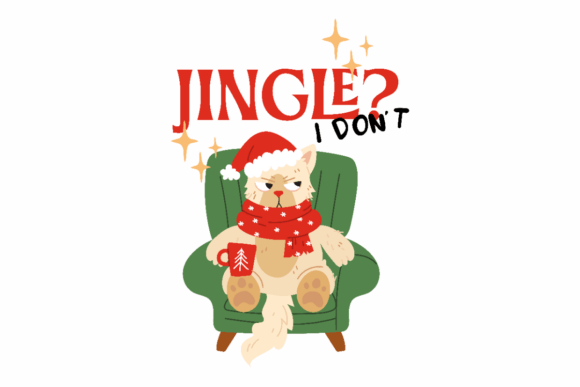
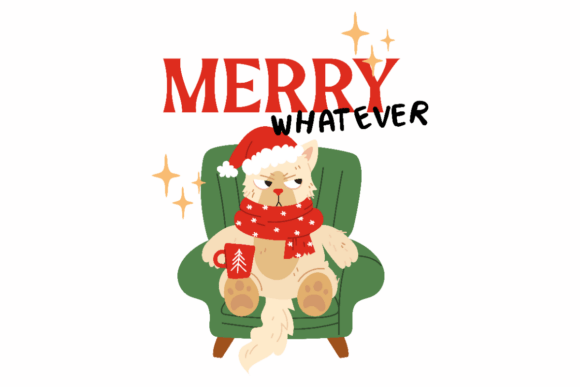
When I first opened the file for Sassy Christmas Cat, I didn't see just another holiday graphic; I saw a conversation starter. As someone who spends hours troubleshooting stitch density and selecting thread colors for clients, my initial reaction was one of cautious optimism. The concept is simple yet effective: a skeptical cream-colored cat lounging in a cozy green armchair, framed by the bold, dismissive quote "MERRY WHA". It captures that specific, relatable modern holiday mood where we are all just trying to survive the season with a little bit of sarcasm.
This design sits comfortably in the Crafts and Graphics categories, but its true potential lies in how it translates from a digital preview to a tangible handmade product. Before I committed this to my hoop, I had to ask myself: does this work as a commercial asset? Would it hold up on a busy holiday market stall or an Etsy shop? After running through a mental checklist of stitching requirements and fabric behaviors, here is my practical assessment of using Sassy Christmas Cat for real embroidery projects.
The First Stitch: Visual Personality and Mood
The immediate appeal of this design is its attitude. In a sea of traditional reindeer and snowmen, a cat that looks like it would rather be sleeping than singing carols stands out. For designers looking to create unique custom apparel or boutique items, this personality is gold. The layout feels balanced, with the text framing the character rather than overpowering it. This balance is crucial for maintaining readability when the design is scaled down for smaller items like hats or baby clothes.
Visually, the design promises high contrast between the cream fur and the green armchair. This suggests that the color palette will pop against neutral backgrounds, making it an excellent choice for tote bag designs or kitchen towels where you want the image to be the focal point without clashing with the fabric pattern. However, the "sassy" vibe also dictates the placement. It works best on casual wear—think sweatshirts, aprons, or denim jackets—rather than formal attire. The humor lands differently depending on the garment, and this design demands a relaxed context.
Real-World Application: From File to Finished Product
I recently considered using this design for a custom order: a set of matching holiday gifts for a client who runs a small coffee shop. They wanted something that reflected their team's humor. Sassy Christmas Cat seemed perfect for embroidered patches or perhaps a large chest logo on their barista aprons. When I simulated the final look, the design felt substantial enough to carry weight on a thick cotton twill apron, but I had to worry about how it would translate to a softer, stretchy t-shirt.
For embroidery project planning, this design shines in several areas:
- Holiday Embroidery Gifts: The theme is timely, but the twist makes it a great gift for friends who find the holidays overwhelming. It adds a layer of personalization that goes beyond generic seasonal greetings.
- Etsy Seller Inventory: Digital sellers can use this as a base for printable mockups or sell the digital embroidery file itself to other crafters. The clear lines make it easy to visualize in various colorways.
- Small Shop Merchandise: For craft business owners, this design offers a way to differentiate products. Instead of selling standard Santa hats, a "Merry Whatever" cat patch adds a trendy, edgy element to a collection.
The versatility extends to baby embroidery as well. Imagine this stitched onto a onesie or a soft blanket. The soft curves of the cat and the chair make it safe and appealing for nursery decor, provided the stitch count isn't too dense to irritate sensitive skin.
Where to Be Careful: Limitations and Fabric Challenges
Not every surface is a canvas for Sassy Christmas Cat. As an experienced reviewer, I have to point out where this design might struggle. If you are working with a small hoop size, you need to be vigilant about the lettering. The phrase "MERRY WHA" needs enough space to remain legible. On a tiny cap or a miniature patch, the text could become a blob of stitches if the resolution isn't optimized.
Fabric texture plays a massive role here. While the design looks crisp on a smooth cotton tee, applying it to a heavily textured wool sweater or a thin, sheer fabric could cause distortion. The stitch density required to fill the green armchair and the cat's features must be managed carefully. If the density is too high, the fabric might pucker, ruining the "cozy" aesthetic and making the item look cheap. Conversely, if the fabric is too stretchy, like a jersey knit, you will need a strong stabilizer to prevent the design from warping over time.
Detailed corners and tiny lettering are always risk points. If the design includes fine details in the cat's eyes or whiskers, they might get lost on dark fabrics or when using lighter thread colors. Always test the thread colors against your specific fabric background before committing to a full production run. A black and white mockup is an essential step to ensure the contrast holds up under different lighting conditions.
Design Judgment: Value, Trust, and Professionalism
In the world of commercial embroidery, the quality of the execution directly impacts customer trust. A sloppy stitch job on a popular design can ruin the brand reputation of a handmade shop. Sassy Christmas Cat has the potential to elevate a product line because it feels intentional and witty. When customers see a well-executed, slightly irreverent design on a high-quality garment, they perceive higher value.
This design supports brand consistency for businesses that want to appear approachable and modern. It signals that the maker understands current trends and doesn't take themselves too seriously. For personalized gifts, the emotional connection is stronger because the recipient gets a piece of art that reflects their specific sense of humor. However, this only works if the finished product looks professional. There is no room for loose threads or misaligned elements when selling a premium item.
Practical Designer Notes for Success
Before you load this into your machine, there are a few non-negotiable steps to ensure success. First, always test the design on scrap fabric that matches your final material. This allows you to check the hoop size fit and observe how the fabric behaves under tension.
Review the stitch density within the software. Ensure that the fill stitches for the armchair and the satin stitches for the text are appropriate for the thickness of your fabric. If you are using a stabilizer, make sure it is heavy-duty enough to support the design, especially if you plan to wash the item frequently. Frequent washing can degrade lower-quality embroidery, so proper stabilization is key to longevity.
Inspect the small details closely. Are the cat's features distinct? Is the text readable at the intended size? Run a test in both light and dark fabric backgrounds to confirm the thread colors provide sufficient contrast. Finally, double-check your licensing agreement. Confirm whether the design is approved for commercial embroidery and resale of finished items. Many digital assets come with restrictions on how they can be used in a business context.
If you are unsure about the exact file formats or machine compatibility, do not guess. Check the product documentation provided with the download. Using the wrong format can lead to errors during the stitching process, wasting both time and money. By taking these precautions, you ensure that Sassy Christmas Cat transforms from a simple digital graphic into a stunning, durable piece of wearable art that delights your customers and elevates your portfolio.