Jingle Funny Christmas Cat: A Designer's Real-World Review
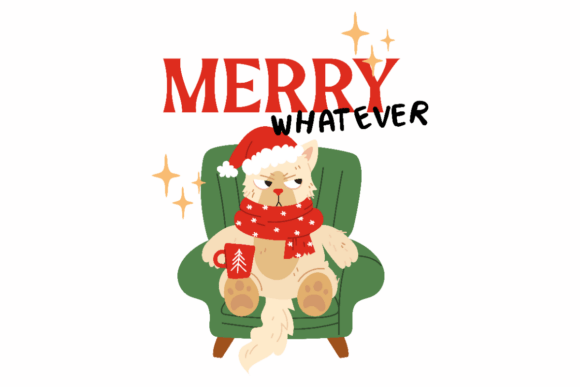
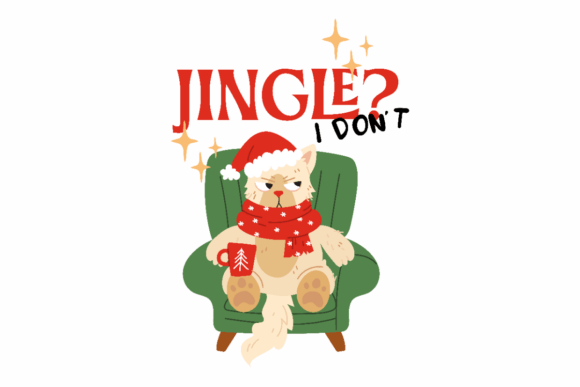
As someone who has spent years stitching designs for clients and selling handmade goods on Etsy, I know that a pretty image isn't always enough. You need a design that translates well from the screen to the fabric. Recently, I took a closer look at Jingle Funny Christmas Cat, a graphic file categorized under Crafts and Graphics, specifically to see if it holds up in a real embroidery project. The premise is simple but effective: a grumpy, cream-colored cat lounging in a cozy green armchair, sporting a red Santa hat and a snowflake-patterned scarf with the text "Jingle I Don't." It sounds like a classic holiday vibe, but does it work as a machine embroidery design?
The First Impression: Mood and Visual Personality
When you first open the file, the personality of Jingle Funny Christmas Cat jumps out immediately. It captures that specific winter mood where everyone is trying to be festive, but your cat just wants to nap. For an embroidery designer, this emotional hook is crucial because it drives sales. People don't just buy a cat; they buy the feeling of relatable holiday grumpiness. The layout feels balanced, with the character taking center stage and the text positioned naturally above or below without crowding the composition.
The visual details—the texture of the scarf, the fold of the armchair, and the expression on the cat's face—suggest a design that relies heavily on fill stitches and satin stitches to create depth. Unlike simple line art, this piece promises a finished product with substance. It feels like a design that belongs in a high-end boutique shop or a thoughtful personalized gift rather than a mass-produced discount item. The humor lands well, making it perfect for customers who appreciate wit alongside their seasonal decor.
Real-World Application: From Screen to Stitch
I decided to test Jingle Funny Christmas Cat on a custom embroidered tote bag for a local craft fair. My goal was to see how the design would handle the canvas texture and whether the colors would pop against the natural beige background. The initial setup required careful consideration of the hoop size. Because the cat is seated in an armchair, the design has a moderate width. If you try to squeeze this into a small 4x4 hoop, you might lose the context of the chair, turning a cozy scene into a floating head. However, in a standard 5x7 or 6x10 hoop, the proportions feel just right.
The stitch density played a significant role in the final result. On the tote bag, the fill stitches created a nice, plush look that mimicked the fur of the cat and the softness of the scarf. The contrast between the red Santa hat and the cream-colored cat worked beautifully, ensuring the focal point remained sharp even after washing. This level of clarity is what separates a professional-looking item from a amateur attempt. Customers scrolling through Etsy listings are drawn to images where the embroidery looks crisp and detailed, not muddy or overly dense.
Beyond tote bags, this design has immense potential for other products. Imagine Jingle Funny Christmas Cat stitched onto a baby onesie for a holiday photo shoot. The grumpy expression adds a layer of charm that parents love to share on social media. It could also work wonderfully on a kitchen towel or an apron for a home baker who needs a laugh during the busy holiday season. The versatility extends to sweatshirts and pillow covers, where the larger surface area allows the design to breathe. For commercial embroidery projects, this file offers a strong value proposition because it appeals to a broad demographic of crafters and gift buyers.
Where to Be Cautious: Fabric and Surface Challenges
While Jingle Funny Christmas Cat is a strong candidate for many projects, there are specific scenarios where caution is required. One major pitfall is using this design on highly textured fabrics or stretchy materials like thin jersey knits without proper stabilization. The intricate details of the snowflake pattern on the scarf can get lost if the fabric shifts during stitching. Similarly, attempting to embroider this on dark fabric requires a heavy application of underlay or a white backing, which can add bulk and alter the drape of the garment.
Another area to watch is curved surfaces like caps or beanies. While the design is not excessively tall, the rounded nature of the armchair and the cat's posture might distort slightly if not digitized correctly for curvature. If you are creating an embroidered patch, ensure the border is clean and the stitch count is optimized to prevent fraying over time. Additionally, for products that require frequent washing, such as baby clothes or aprons, check the thread colorfastness. The bright reds and greens should hold up, but testing a swatch first is non-negotiable.
Small hoop sizes are perhaps the biggest limitation. If you are working with a compact 3x3 hoop, the detail in the scarf and the chair legs may become indistinguishable blobs of thread. In these cases, simplifying the design or choosing a different, more linear motif might be wiser. Always inspect small details like the text "Jingle I Don't" to ensure the lettering remains legible. Tiny letters can easily disappear in a sea of fill stitches if the density is too high.
Design Notes for the Practical Maker
If you are planning to use this embroidery file for your craft business, here are some practical steps to ensure success. First, test the design on scrap fabric that matches your intended project material. This helps you gauge the stitch density and see how the threads interact with the weave. Check the thread colors carefully; sometimes digital previews differ slightly from actual thread shades, so have your physical spools ready.
Review the stabilizer requirements. For items like sweatshirts or tote bags, a cut-away stabilizer is often best to maintain shape and prevent puckering. If you are working with delicate fabrics, consider a tear-away or water-soluble option. Before committing to a full run, inspect the design in black and white mockups. This ensures that the contrast levels are sufficient and that no critical details rely solely on color to be visible.
For those selling digital assets or finished products, confirm the licensing terms explicitly. Does the license allow for commercial use? Can you sell the finished items, or only the digital file? These distinctions are vital for protecting your craft business. Also, compare light and dark fabric backgrounds in your own photos to see how the design performs in different lighting conditions. This attention to detail builds customer trust and enhances your brand consistency.
Final Thoughts on Value and Appeal
Jingle Funny Christmas Cat succeeds because it balances humor with technical execution. It is not just a cute cat; it is a narrative piece that invites interaction. Whether you are a hobbyist looking to make a unique gift or a small shop owner expanding your holiday inventory, this design offers a solid foundation for a high-quality finished product. The visual appeal is strong, the theme is timely, and the execution potential is high when handled with care.
By paying attention to fabric choice, hoop size, and stabilizer selection, you can transform this digital graphic into a tangible asset that resonates with buyers. It fits perfectly into the current market for personalized gifts and boutique branding. As long as you respect the technical limitations of embroidery and test thoroughly, Jingle Funny Christmas Cat is a reliable addition to any designer's toolkit. It proves that sometimes, the most successful holiday designs are the ones that admit they aren't entirely happy about the holidays—and that authenticity sells.