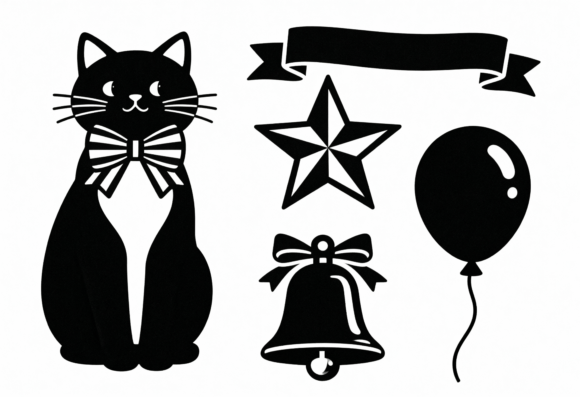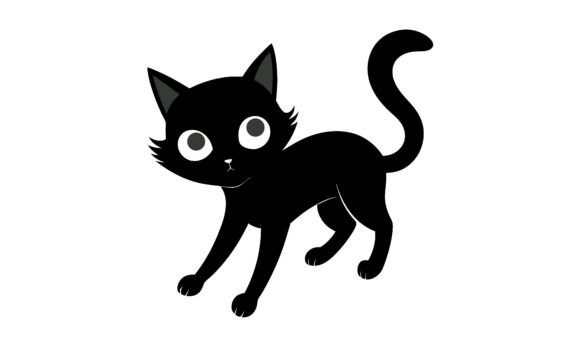
Cute Black Cat Cartoon Illustration Review
As a designer who spends countless hours testing digital assets for real-world production, I approach every new file with a mix of excitement and skepticism. When Cute Black Cat Cartoon Illustration landed on my desk, I didn't just see a cute graphic; I saw a potential bestseller for craft fairs, Etsy shops, and boutique inventory. The prompt described it as a Silhouette cut file in SVG and EPS formats, which immediately raised questions about how this vector art would translate into a tangible machine embroidery design. In the world of handmade goods, the gap between a clean digital preview and a stitched reality can be wide, so I decided to put this design through a rigorous practical evaluation before committing it to any client project.
The First Impression: Mood and Market Fit
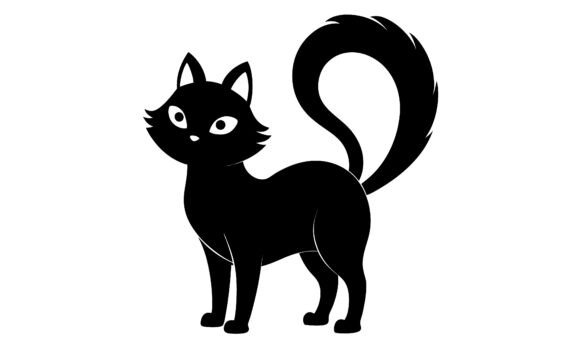
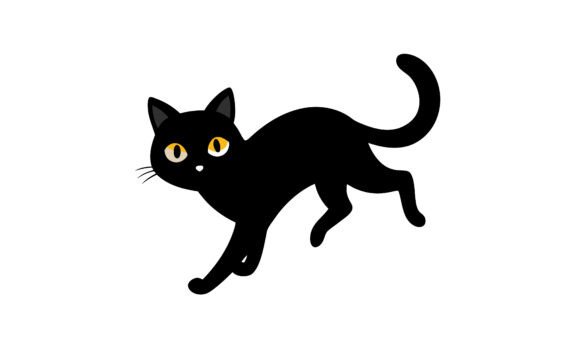
The moment you look at Cute Black Cat Cartoon Illustration, it exudes a specific kind of charm that resonates deeply with modern craft trends. It isn't trying to be hyper-realistic or overly complex; instead, it leans into a playful, cartoonish aesthetic that feels perfect for contemporary home decor and apparel. For an embroidery designer, the initial visual assessment is crucial. Does the silhouette hold up when simplified? Is there enough negative space to prevent the fabric from bunching? This design strikes a balance that suggests it will work exceptionally well for baby items, nursery decor, and personalized gifts. The mood is cozy and inviting, making it an ideal candidate for holiday embroidery projects where buyers are looking for something whimsical yet high-quality.
I immediately envisioned this design on a canvas tote bag or a soft cotton sweatshirt. The bold lines of the black cat suggest a strong presence even without intricate detailing, which is often the key to successful mass-produced merchandise. However, relying solely on the digital image is a trap. The true test lies in how the design behaves under the needle, especially regarding stitch density and thread contrast.
Real-World Application: From Digital File to Finished Product
To truly understand the value of Cute Black Cat Cartoon Illustration, I simulated a real-life scenario: creating a custom embroidered patch for a small business owner specializing in artisanal kitchen goods. The goal was to attach the design to a heavy-duty apron. This is a common request for craft businesses, but it presents unique challenges. The fabric texture of a linen-cotton blend apron is rougher than standard t-shirt material, and the curvature of the garment requires careful hoop placement.
If this design were converted into a proper machine embroidery design, the execution would depend heavily on the conversion process. The original description mentions SVG and EPS formats, which are excellent for cutting machines, but they require digitizing for embroidery. A skilled digitizer would need to ensure that the satin stitch outlines are tight enough to cover the raw edges if used as an applique design, while the interior details might benefit from a combination of fill stitch and running stitch to maintain the cartoon's clean look. On a dark fabric background, using white or light-colored threads would make the black cat pop, whereas a light background might require a shadow stitch or a contrasting outline to define the shape.
For an Etsy seller or a small shop product creator, this design offers versatility. It could easily transition from a simple tote bag design to a delicate baby embroidery piece on a onesie. The simplicity of the cartoon style ensures that even if the stitching isn't perfectly dense, the overall image remains recognizable. This recognition factor is vital for customer trust; a buyer wants to know exactly what they are getting when they purchase a personalized gift. If the finished product looks fuzzy or loses the character's personality, the perceived value drops significantly.
Where Caution is Required
Despite its charm, there are specific scenarios where Cute Black Cat Cartoon Illustration requires careful handling. Small hoop sizes are a primary concern. If the design includes tiny whiskers or minute facial features, attempting to stitch them on a 4x4 inch hoop might result in lost detail. The resolution of the original file matters here; if the curves are too sharp for the thread width, the digitizer must simplify them to prevent thread breaks.
Textured fabrics and stretchy materials also demand attention. Embroidering directly onto a stretchy knit cap or a thin polyester shirt without adequate stabilizer can lead to puckering, which distorts the cute expression of the cat. Similarly, while the design works well on flat surfaces like pillow covers or tea towels, applying it to curved surfaces like caps requires a specialized cap hoop and precise alignment. Dense stitch areas should be avoided if the goal is a lightweight, breathable finish, particularly for children's clothing where comfort is paramount.
Visual Appeal and Professionalism
In the competitive landscape of craft business and commercial embroidery, the quality of the stitch definition speaks volumes about the brand. A well-executed version of Cute Black Cat Cartoon Illustration elevates a generic item into a premium product. When customers see a crisp, clean embroidery on a handmade product, they associate that precision with reliability. This design has the potential to boost buyer engagement because it taps into the universal appeal of cats while maintaining a professional aesthetic.
However, the final look depends on the choice of thread colors and the stitch density. Using low-quality thread might cause the fill areas to look muddy, ruining the cartoon's crisp lines. Conversely, high-quality rayon or polyester threads can bring out the glossy sheen that complements the black silhouette. For a holiday gift or a wedding gift, the presentation matters just as much as the stitching. A mockup showing the design on a neutral background helps visualize the final outcome, but nothing replaces testing on the actual fabric.
Practical Designer Notes for Implementation
Before integrating Cute Black Cat Cartoon Illustration into your production line, there are essential steps to follow to ensure success. First, always test the design on scrap fabric that matches your final material. This reveals how the fabric texture interacts with the stitches and whether the stabilizer holds up under tension. Second, review the stitch density carefully. If the design was originally intended for cutting (as implied by the SVG/EPS formats), the digitization process must add appropriate underlay stitches to prevent the fabric from pulling during embroidery.
Inspect small details closely. Are the eyes distinct? Do the ears have enough definition? If the design is too small, consider simplifying the elements rather than risking a cluttered mess. It is also wise to test the design in black and white mockups to check contrast levels against different fabric backgrounds. Ensure you are using the correct hoop size to avoid distortion, and confirm whether the file supports both personal and commercial projects. Licensing terms are critical for anyone selling finished items; do not assume that owning the digital file grants full commercial rights for resale without verifying the specifics.
Ultimately, Cute Black Cat Cartoon Illustration represents a solid foundation for creative entrepreneurs looking to expand their design assets. Its versatility makes it suitable for everything from custom apparel to embroidered patches. By paying attention to the technical nuances of digitization and fabric selection, designers can transform this digital concept into a stunning finished product that delights customers and strengthens their brand identity. Whether you are a hobbyist maker or a growing digital product seller, taking the time to evaluate the design's performance in real conditions is the only way to guarantee a professional result.