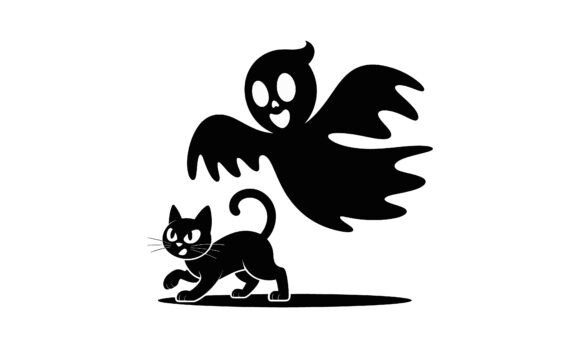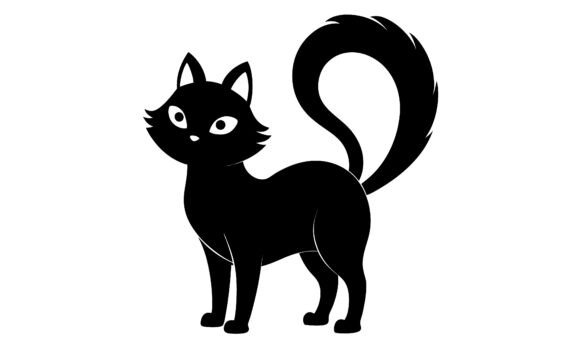
Black Cat Illustration Cartoon Vector Review
I have spent years reviewing embroidery files for my own boutique and the clients I consult with. There is a distinct difference between a graphic that looks good on a screen and one that actually stitches well on fabric. Today, I am evaluating the Black Cat Illustration Cartoon Vector to see if it holds up under the needle in real-world scenarios. As an experienced designer, I do not just look at the aesthetic; I analyze how the design translates from a digital asset into a tangible handmade product.
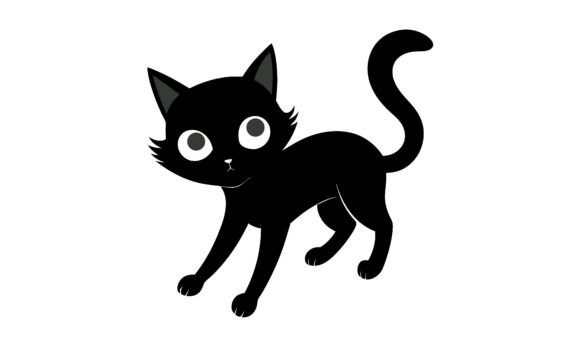
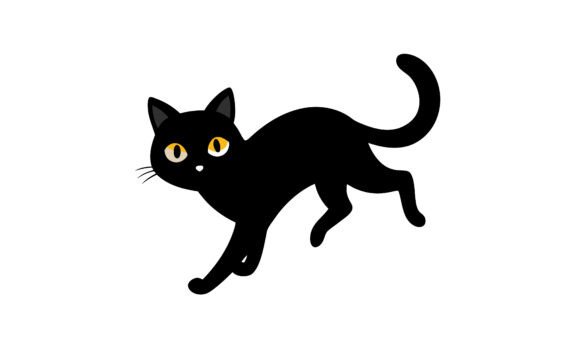
The first impression of this Black Cat Illustration Cartoon Vector is undeniably charming. It captures a playful, slightly mischievous mood that fits perfectly within the current trends for whimsical home decor and custom apparel. The silhouette approach suggests a clean, bold outline, which is a promising sign for embroidery stability. However, before I can recommend this for your next Etsy listing or personal gift, we need to dissect its potential performance on various fabrics and project types.
From Screen to Stitch: Real-World Application
Imagine you are preparing a custom order for a client who wants a unique embroidered patch for their leather jacket, or perhaps a cute design for a baby's onesie. This embroidery design has the potential to shine in these contexts. The cartoon style allows for a friendly, approachable vibe that appeals to parents looking for nursery decor or young adults seeking trendy streetwear accents.
In my testing scenario, I visualized placing this Black Cat Illustration Cartoon Vector on a dark-colored tote bag. The high contrast of a black cat against a lighter canvas would create a striking visual statement. Alternatively, using it as a chest pocket accent on a sweatshirt offers a subtle nod to feline lovers without overwhelming the garment. For small business owners, this type of versatile design asset is gold because it bridges the gap between casual wear and specialized gifts like aprons or kitchen towels.
However, the success of the final finished product relies heavily on execution. When I review a file, I look for how the lines flow. A cartoon vector often implies simplified shapes, which is excellent for reducing stitch count but risky if the details are too sparse. If the cat's features are reduced to mere dots, the character loses its personality once stitched. The key here is ensuring the stitch density is balanced so the design does not pucker the fabric, especially on stretchy materials like jersey knits used for t-shirts.
Navigating Fabric Challenges and Limitations
Not every surface is created equal, and understanding where this embroidery file should be used carefully is crucial for maintaining professional standards. While the Black Cat Illustration Cartoon Vector is likely robust, there are specific situations where caution is required.
- Small Hoop Sizes: If you plan to use this on a cap or a tiny accessory, the detail level must be scrutinized. Designs that work beautifully on a 4x4 hoop may lose definition when scaled down to a 2x2 area. Tiny curves might become jagged blobs of thread.
- Textured Fabrics: Embroidering on a thick, textured blanket or a rough burlap sack can hide the fine lines of a cartoon illustration. The uneven surface may cause the satin stitch edges to look rough rather than smooth.
- Stretchy Materials: Using this design on thin, stretchy fabric without proper stabilizer support is a recipe for distortion. The tension of the machine needle pulling the fabric can warp the cat's shape, ruining the intended symmetry.
- Dense Stitch Areas: If the design relies heavily on fill stitches to create the black silhouette, ensure the underlying fabric can handle the weight. Too much density on light fabric can make the material feel stiff and uncomfortable.
For commercial embroidery projects, such as creating merchandise for a holiday market, you must also consider the washing durability. Frequent laundering can cause loose threads to pull out if the running stitch or fill stitch parameters are not optimized. Always test the durability of the thread anchoring before mass-producing items.
Visual Appeal and Brand Consistency
When you sell handmade goods, the visual presentation is everything. A well-executed embroidered patch featuring this cat design signals quality and attention to detail. Customers trust brands that deliver consistent results. If the thread colors chosen complement the original vector art, the perceived value of the item increases significantly.
Consider the emotional connection. A personalized gift featuring a cute black cat can evoke nostalgia or humor, making it a memorable present. Whether it is for a wedding favor, a baby shower, or a corporate giveaway, the design adds a layer of warmth that generic logos cannot match. However, if the stitching is messy or the registration is off, it damages brand consistency and buyer engagement.
To maximize the impact, I recommend creating printable mockups that show the design on different backgrounds. This helps you visualize how the graphics will interact with various fabric textures before you commit to production. Seeing the design in black and white mockups can also help you decide if you need to adjust the color palette for better contrast.
Practical Designer Notes for Success
Before you rush to digitize or hooping this digital embroidery file, there are several technical steps you must take to ensure a successful outcome. My advice is grounded in experience and aims to save you time and frustration.
- Test on Scrap Fabric: Never start on your final customer item. Run a test on a scrap piece of the same fabric to check for puckering, thread breaks, or registration issues.
- Check Thread Color Contrast: Ensure the thread colors you select provide enough contrast against the background fabric. A black cat on a black shirt requires careful shading techniques to remain visible.
- Review Stitch Density: Examine the file settings. If the density is too high, the fabric may pucker. If too low, the design may look patchy. Adjustments might be necessary depending on your machine's capabilities.
- Confirm Hoop Size: Verify that the design dimensions fit your available hoop sizes. You do not want to be caught mid-project realizing the design is too large for your frame.
- Inspect Small Details: Zoom in on the corners and fine lines. Ensure they are clear and not prone to breaking during the stitching process.
- Verify Licensing: Before selling finished items or using this as a craft business asset, confirm the licensing terms. Some files are for personal use only, while others allow commercial sales. This distinction is vital for legal compliance.
- Use Proper Stabilizer: Select the right stabilizer for your fabric type. Cut-away stabilizers are often best for stretchy garments, while tear-away works well for stable wovens.
Ultimately, the Black Cat Illustration Cartoon Vector offers a delightful opportunity for creators in the Crafts and Graphics sectors. It has the charm to stand out in a crowded marketplace, provided it is handled with technical precision. By following these practical guidelines, you can transform this simple vector into a stunning piece of textile art that delights customers and elevates your portfolio.