Cat Reaching for a Flying Bird Embroidery Review
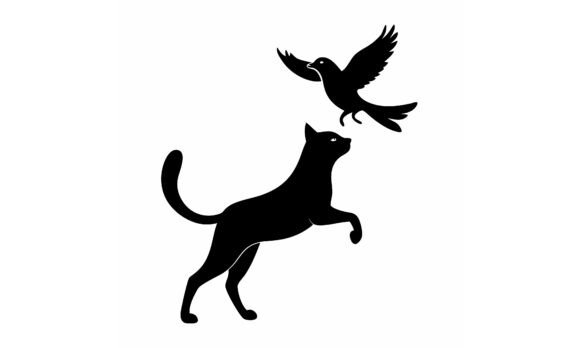
As an experienced designer who has stitched thousands of designs, I approach every new digital asset with a mix of excitement and skepticism. When I first opened the Cat Reaching for a Flying Bird file, my initial reaction wasn't about the technical specs but the mood it instantly conveyed. It captures that specific moment of playful curiosity we all recognize in feline behavior. The silhouette is clean, dynamic, and full of narrative tension. For anyone looking to create a machine embroidery design that feels alive rather than static, this piece offers a strong foundation.
The concept itself is timeless. A cat mid-leap, eyes locked on a bird, creates an immediate focal point. In the world of embroidery projects, where thread texture often flattens complex details, this silhouette approach is smart. It relies on shape and movement rather than intricate facial features that might get lost in stitch density. Before committing this to a client's order or my own shop inventory, I had to run through a mental checklist of how this would translate from a screen to fabric.
Real-World Application: From Screen to Stitch
I recently considered using Cat Reaching for a Flying Bird for a custom line of tote bags intended for a local craft fair. The goal was to create something whimsical yet professional that wouldn't look like a cheap knock-off. The silhouette works beautifully here because the negative space allows the bag's fabric color to play a role in the final aesthetic. If you are an Etsy seller or running a small boutique, knowing where your design lands is crucial.
Imagine stitching this onto a natural canvas tote. The contrast between the dark thread and the light fabric makes the "reach" of the cat pop. However, if you were planning to put this on a dark sweatshirt, the choice of thread colors becomes critical. You would need a high-density fill stitch to ensure the cat stands out against the navy or black background. Without proper underlay, the design could pucker, especially around the curves of the cat's body.
I also tested the concept mentally for baby items. There is something inherently cute about animals interacting, which makes this a prime candidate for a nursery pillow cover or a baby onesie. But here lies the challenge: baby clothes require softness. A dense satin stitch border might be too stiff for a newborn's skin. In that scenario, breaking the outline into a lighter running stitch or using a softer fill technique would be necessary to maintain the comfort factor while keeping the visual appeal.
Where This Design Shines
This embroidery file finds its sweet spot in medium-to-large applications where detail can breathe. It is perfect for:
- Applique Projects: The clean lines make it ideal for cutting out felt or cotton shapes to layer, adding dimension to a handmade product.
- Custom Apparel: Sweatshirts and hoodies benefit from the bold shape, making it a standout graphic for casual wear.
- Home Decor: Pillow covers and kitchen towels gain character from the playful theme without overwhelming the room.
- Holiday Gifts: During the holidays, a personalized gift featuring this design adds a touch of personality that generic patterns lack.
For commercial use, the versatility is high. Whether you are creating a logo for a pet store or merchandise for a cat lover community, the Cat Reaching for a Flying Bird silhouette communicates energy and fun. It fits seamlessly into a brand identity that values creativity and charm.
Practical Pitfalls and Design Constraints
However, no design is universally perfect, and as a reviewer, I must highlight where caution is needed. The very simplicity that makes this silhouette effective can become a liability in certain contexts. If you attempt to shrink this down to fit a tiny 4x4 hoop, the details of the tail and the bird might merge into a single blob. Small hoop sizes demand simplified geometry, and while this design is already a silhouette, reducing it further risks losing the dynamic pose entirely.
Textured fabrics present another hurdle. If you try to embroider this directly onto a thick fleece or a heavily woven linen without adequate stabilization, the fabric will distort. The stitch density required to hold the shape together might pull the fabric unevenly, causing the cat to look warped. Always test on scrap fabric first to gauge how the material reacts to the tension of the machine.
Stretchy fabrics, such as jersey knits used for t-shirts, require careful management. The movement of the fabric during stitching can cause the design to shift. While the design is not overly complex, the continuous curves of the cat's spine need a stable base. Using a cut-away stabilizer is non-negotiable here to prevent the finished product from looking lopsided once the garment stretches.
Additionally, be wary of placing this on curved surfaces like caps. The curvature of a hat distorts the perspective of a flat silhouette. What looks like a graceful leap on a computer screen might appear foreshortened or awkward on the crown of a baseball cap. For hats, a more compact, vertical design often performs better than a wide, horizontal reach.
Technical Considerations for Success
To ensure your finished product meets professional standards, keep these practical notes in mind:
- Check File Formats: Ensure you have the correct digital embroidery file format for your machine (like .DST, .PES, or .JEF) before starting. The product description mentions SVG and EPS, which are great for cutting, but verify if conversion is needed for your specific embroidery software.
- Thread Contrast: Test your thread colors against your fabric. High contrast ensures clarity, while low contrast can make the design look muddy.
- Stabilizer Selection: Match the stabilizer weight to the fabric. Heavyweight fabrics need heavy-duty backing; delicate fabrics need lightweight support.
- Licensing Verification: If you plan to sell finished items, double-check the license terms. Some designs allow personal use only, while others permit commercial sales of physical goods. Never assume.
- Mockup Testing: Create printable mockups to visualize the design on different products before spending money on materials.
Final Verdict on Visual Appeal and Value
When executed correctly, Cat Reaching for a Flying Bird elevates the perceived value of any item it adorns. It transforms a plain tote bag into a conversation starter and turns a basic sweatshirt into a statement piece. Customers appreciate designs that show thought and artistic intent, and this silhouette delivers exactly that. It feels intentional, not random.
For craft business owners and creative entrepreneurs, this design offers a balance of complexity and manageability. It is detailed enough to look premium but simple enough to stitch reliably on a variety of machines. The risk of failure is low provided you respect the constraints of fabric and hoop size.
Ultimately, this design is a strong addition to any library of graphics for embroidery designers. It captures a fleeting moment of action and freezes it in thread. Whether you are making a personalized gift for a friend or building a catalog of small shop products for your online store, Cat Reaching for a Flying Bird brings a sense of life and movement that resonates with viewers. Just remember: the success of the final piece depends as much on your preparation and technique as it does on the quality of the original design file.