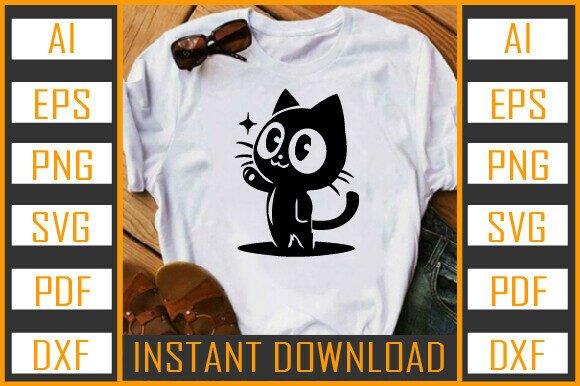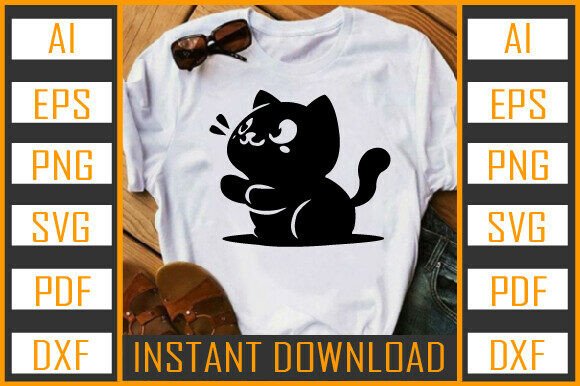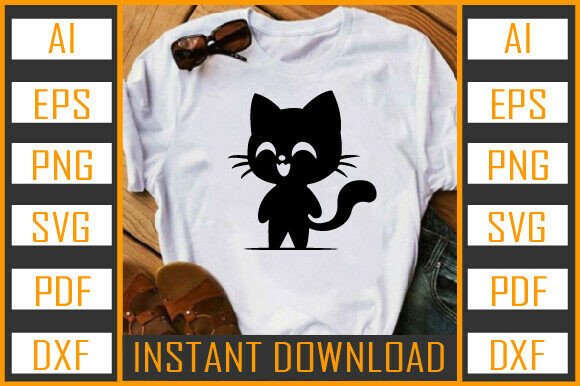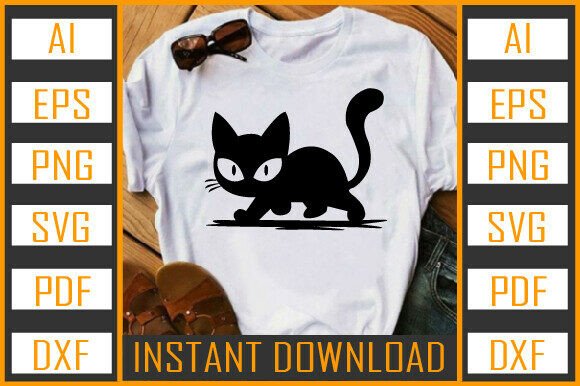
Ink Cat Print: A Designer's Review for Real Embroidery Projects
When I first opened the folder labeled Ink Cat Print, I wasn't just looking at a digital file; I was visualizing the finished product hanging in a boutique window or being gifted to a new mother. As a designer who has spent years testing machine embroidery designs on everything from stiff denim to delicate silk, my initial reaction was one of genuine curiosity. This isn't just another generic clip art collection. It is a specific Graphics asset within the broader Crafts category that demands a practical evaluation before it ever touches a hoop.
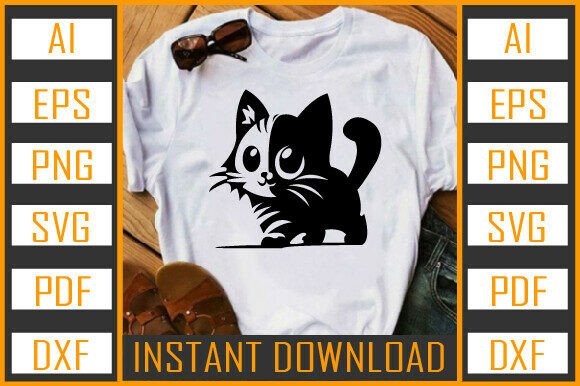
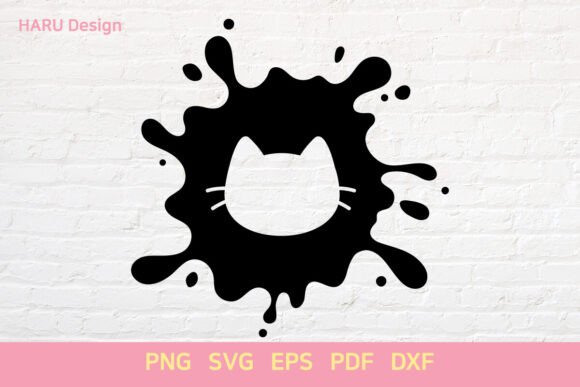
The mood of this design is immediately apparent. It feels modern, slightly whimsical, and undeniably artistic. Unlike traditional floral motifs that can feel dated after a few seasons, Ink Cat Print carries a contemporary edge that suggests a brand identity rather than just a decoration. The layout suggests a balance between negative space and intricate detail, which is crucial for how the final piece will sit on fabric. But does it translate well from screen to thread? That is the question every Etsy seller and small business owner needs to answer before committing to a production run.
From Digital File to Finished Product: The Real-World Test
Imagine you are preparing for a holiday craft fair. You have a stack of canvas tote bag designs waiting to be filled with custom artwork. You decide to feature Ink Cat Print on a limited edition series of bags meant for cat lovers. The first thing I look for in any embroidery file is how the lines hold up when they become stitches. If the design relies too heavily on thin, wispy lines, the running stitch might get lost in the weave of the canvas. However, if the artist behind Ink Cat Print utilized strong outlines or strategic satin stitch placements, the image should pop with clarity.
I also considered using this design on a cozy sweatshirt for a local client. For sweatshirt embroidery, the texture of the fleece can sometimes swallow up fine details. The Ink Cat Print artboard size of 12in×12in provides ample room to scale the design down without losing its character. This flexibility is a huge plus for custom apparel. Whether you are creating a large chest logo or a smaller pocket accent, having the original vector files ensures you aren't stuck with pixelated edges once the machine starts stitching.
Another scenario involves baby items. There is a massive market for baby embroidery on onesies and burp cloths. Parents want something soft and safe, meaning the design shouldn't create a thick, uncomfortable lump on the fabric. If Ink Cat Print utilizes a mix of fill stitch and open areas, it would be perfect for these delicate projects. The playful nature of the theme fits perfectly with nursery decor or personalized gifts for newborns. It transforms a simple garment into a cherished keepsake that parents will display proudly.
Navigating the Challenges: Where Caution is Required
While the potential is high, a professional review must also address where a design might struggle. Not every embroidery project is created equal, and Ink Cat Print requires specific conditions to shine. One major consideration is the hoop size. If you attempt to use this design on a small cap or a tight cuff, the complexity of the ink-style lines might crowd the available space. Small hoops often force the machine to over-stitch, leading to puckering or loss of definition in the corners.
Fabric choice is equally critical. Textured fabrics like heavy terry cloth or loose-weave linen can make stitch density difficult to control. The needle might skip threads, or the backing stabilizer might not hold the fabric flat enough for the sharp lines of the print to remain crisp. Similarly, working on dark fabric presents a challenge. Unless you plan to use a substantial underlay or a light-colored base layer, the darker threads of the design could disappear into the background. Always test your thread colors against the actual fabric swatch before starting a bulk order.
Stretchy fabrics require special attention. When the fabric stretches during wear, the stitches can distort, causing the image to warp. If you are making apparel decorators for active wear or fitted tees, ensure that the design includes a stabilizer strategy that accounts for movement. Furthermore, if the design features tiny lettering or very fine decorative accents, those elements may not survive frequent washing. For products that need to be durable, such as work aprons or kitchen towels, you might need to simplify the design or increase the thickness of the lines to ensure longevity.
Visual Appeal and Brand Consistency
The ultimate goal of any commercial embroidery project is to build trust and recognition. A well-executed Ink Cat Print design elevates the perceived value of your handmade product. When a customer sees a clean, professional finish, they assume the rest of the item is made with care. This is vital for craft business owners who rely on repeat buyers and positive reviews.
The versatility of the design allows for consistent branding across different products. You could use the same motif on a pillow cover, a tea towel, and a set of napkins, creating a cohesive look for a home goods line. The inclusion of various formats like SVG, EPS, PNG, PDF, and DXF means you aren't limited to just one type of output. You can use the vector files for cutting machines to create applique layers, or use the raster files for printable mockups to showcase your digital product previews on social media.
For Etsy sellers and creative entrepreneurs, the ability to quickly adapt a design to different mediums is a competitive advantage. If you can offer a personalized gift that looks professionally stitched, you justify a higher price point. The design acts as a visual anchor that draws the eye and communicates quality before the customer even touches the item.
Practical Notes for the Design-Conscious Maker
Before you commit to a full production run, there are essential steps every experienced designer takes. First, always test the design on scrap fabric that matches your final material. This helps you gauge the stitch density and see how the threads interact with the weave. Check the contrast by reviewing the design in black and white mockups to ensure the shapes are distinct without color distractions.
Confirm the hoop size requirements early. While the artboard is 12in×12in, you may need to resize the design significantly for smaller items. Ensure your software handles the scaling without distorting the aspect ratio. Inspect small details closely; if there are tiny gaps or isolated stitches, they might break during the sewing process. Use a proper stabilizer appropriate for the fabric weight to prevent shifting or bubbling.
Finally, verify the licensing terms. Even though the package includes multiple file types, you must confirm whether you are allowed to sell finished items featuring Ink Cat Print. Some licenses restrict commercial use or limit the number of units you can produce. Understanding these rules protects your small shop product business from legal issues down the line.
By treating Ink Cat Print as a tool for problem-solving rather than just a pretty picture, you can unlock its true potential. It is a robust design asset that, when handled with care and technical knowledge, can elevate your portfolio from amateur to professional. Whether you are crafting a unique holiday gift or building a brand for your online store, this design offers the flexibility and style needed to succeed in today's handmade market.