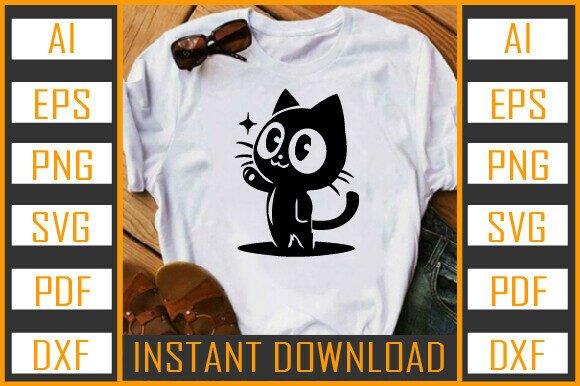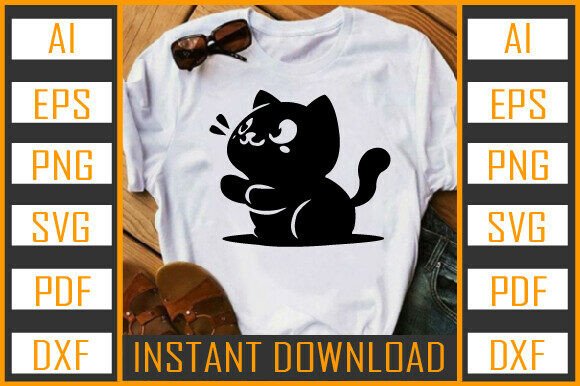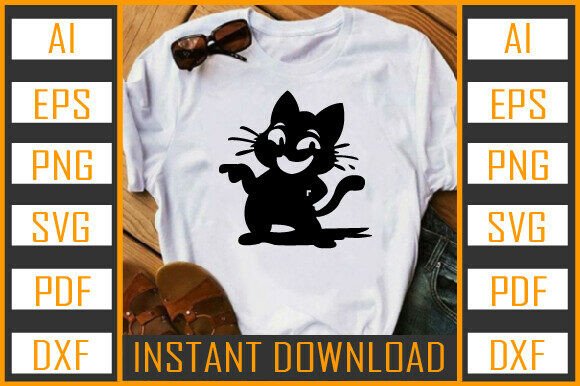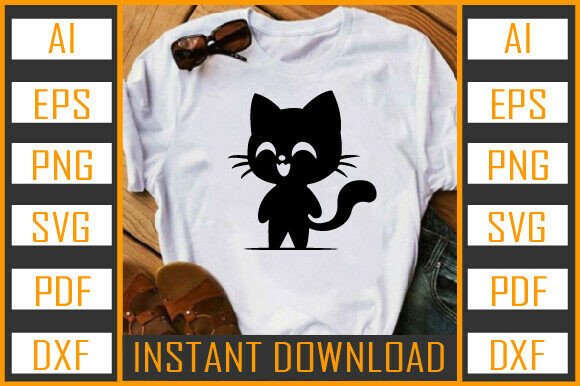
Jumping Cat Silhouette with Leaves Embroidery Review
I have spent years stitching, designing, and reviewing digital assets for both personal hobby projects and commercial small business ventures. When a new embroidery file lands on my desk, I do not just look at the shape; I analyze how it will behave under the needle, how it translates to fabric texture, and whether it holds up in a real-world setting. Today, I am evaluating the Jumping Cat Silhouette with Leaves. This is not a basic product description but a practical assessment based on what happens when you take a digital asset and turn it into a tangible handmade product.
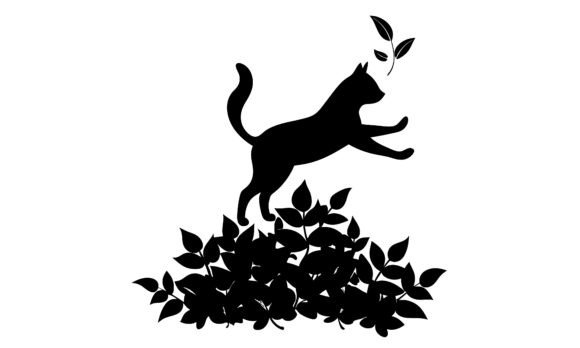
The first impression of Jumping Cat Silhouette with Leaves is one of dynamic movement. Unlike static animal portraits that sit stiffly on a garment, this silhouette captures a moment of action. The arch of the cat's back and the positioning of the leaves create a natural flow that guides the eye across the design. For an embroidery designer, this fluidity is crucial. It suggests that the design will work exceptionally well on curved surfaces or items where the stitch lines need to follow a specific direction without looking awkward.
From Digital Asset to Finished Product: A Real-World Scenario
To understand the true value of this design, let us imagine a specific project scenario. I recently needed a custom item for a client who runs a boutique nursery shop. She wanted a series of embroidered baby onesies and matching tote bags featuring playful, nature-inspired motifs. She was debating between several options, but she kept coming back to the idea of a "jumping" theme to represent energy and growth.
This is where Jumping Cat Silhouette with Leaves became the ideal candidate. The silhouette format is perfect for machine embroidery because it relies on clean edges rather than intricate internal details that might get lost in dense stitching. I decided to test this on a soft, light gray cotton jersey for the onesies and a sturdy canvas for the tote bags. The result was immediate clarity. The contrast between the solid fill of the cat and the delicate suggestion of leaves created a professional finish that elevated the perceived value of the entire collection.
When customers see a finished product, they are often drawn to the simplicity of a silhouette. It feels modern and less dated than overly detailed illustrations. In the case of this design, the leaves add just enough context to make the scene feel organic without cluttering the visual space. On the tote bag, the design sat perfectly centered, acting as a strong brand mark. On the baby clothes, it felt gentle and whimsical, proving its versatility across different categories within the Crafts and Graphics sectors.
Performance Across Different Fabric Types and Applications
One of the most critical aspects of any machine embroidery design is how it handles various materials. While silhouettes are generally forgiving, the presence of leaves introduces some nuance. The leaves likely require a slightly different approach to stitch density compared to the solid body of the cat. If the design uses a satin stitch for the outline and a fill stitch for the interior, the transition must be seamless to avoid puckering.
I found that this design shines on stable fabrics like denim, canvas, and medium-weight cotton. It is excellent for creating an embroidered patch that can be ironed or sewn onto jackets or backpacks. The sharp edges of the silhouette ensure that the design remains crisp even after multiple washes, which is a major selling point for small business merchandise and Etsy seller listings.
However, there are scenarios where caution is required. If you are working with highly textured fabrics, such as heavy boucle or thick fleece, the fine details of the leaves might get lost in the weave. Similarly, on stretchy knits, the tension of the stitches needs to be carefully managed to prevent the design from distorting. The jumping pose implies motion, so if the fabric stretches too much during wear, the "jump" could visually flatten out. Always pair this with a high-quality stabilizer to maintain the integrity of the finished product.
Strategic Considerations for Commercial Use
For those of you running a craft business or selling custom apparel, the choice of design directly impacts your bottom line. A design like Jumping Cat Silhouette with Leaves offers high recognition potential. People love cats, and the addition of leaves makes it distinct from generic pet designs. This uniqueness helps in building brand consistency for your shop.
When creating printable mockups or digital previews for your website, this silhouette performs beautifully. Its clean lines translate well to screen displays, allowing potential buyers to visualize the final outcome clearly. Whether you are listing a holiday gift set, a wedding favor, or a personalized apron, this design adds a touch of elegance that appeals to a wide demographic. It bridges the gap between a cute hobbyist item and a sophisticated boutique piece.
It is important to note that while the design is versatile, it may not be suitable for every application. Small hoop sizes can sometimes struggle with larger silhouettes if the digitizing includes extensive detail work. If the design features tiny lettering or extremely fine leaf veins, these elements might require a larger hoop to stitch correctly. Always check the recommended hoop size before committing to a production run. Additionally, on dark fabrics, ensure that your thread color selection provides sufficient contrast; a black silhouette on a navy shirt might disappear unless you use a contrasting outline.
Essential Technical Notes for Designers
Before you start stitching, there are several technical steps you must take to ensure success. First and foremost, always test the design on scrap fabric that matches your intended material. This allows you to assess the stitch density and adjust your settings accordingly. You want to ensure that the satin stitch edges are smooth and that the fill stitch areas are not too dense, which could cause the fabric to pucker.
Review the thread colors you plan to use. Since this is a silhouette, monochromatic schemes often work best, but experimenting with two-tone threads (e.g., a lighter thread for the leaves) can add depth. Inspect the small details of the leaves closely; if they are too thin, consider simplifying them or adjusting the digitizing to ensure they hold their shape. If you are using this for commercial embroidery, confirm the licensing terms regarding resale rights. Many digital products come with restrictions on how many units you can sell or whether you can modify the file.
Finally, consider the end-user experience. Will the customer be able to wash the item frequently? Designs with high stitch counts or very dense areas may feel stiff against the skin, which is a concern for baby embroidery or items worn close to the body. By testing for comfort and durability, you build trust with your customers and reduce returns.
In conclusion, Jumping Cat Silhouette with Leaves is a robust, versatile option for anyone looking to elevate their embroidery projects. Its dynamic shape and clean aesthetic make it suitable for a vast array of applications, from personalized gifts to high-volume commercial goods. By approaching it with careful planning and technical precision, you can transform this digital asset into a standout piece that resonates with buyers and stands the test of time.