Black Cat Silhouette Sitting: A Designer's Real-World Review
I have spent years reviewing digital assets for the embroidery industry, and I know that a pretty image on a screen does not always translate to a clean stitch-out. When I first encountered Black Cat Silhouette Sitting, I was immediately drawn to its simplicity. In a market flooded with complex, multi-colored scenes, there is something undeniably chic about a single-color silhouette. However, as a professional designer who also runs a small shop, my job is to look past the initial aesthetic and ask: how will this actually perform when it hits the hoop?
This review focuses on the practical application of Black Cat Silhouette Sitting in real-world scenarios. We are moving beyond the product description to discuss how this design fits into custom apparel, boutique branding, and personalized gifts. Whether you are an Etsy seller looking for your next best-seller or a hobbyist making holiday gifts, understanding the nuances of this graphic is essential before you commit to production.
The First Impression: Mood and Visual Personality
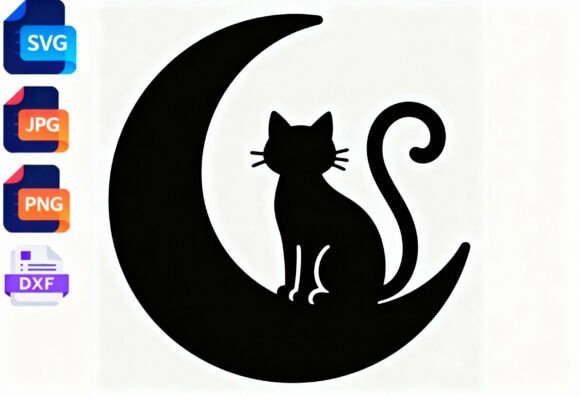
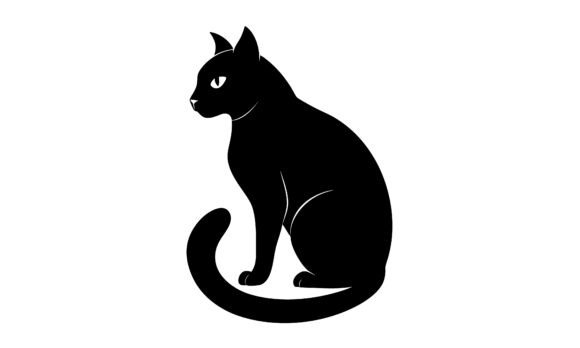
The moment you load Black Cat Silhouette Sitting into your digitizing software, the mood sets itself. It is sleek, mysterious, and effortlessly modern. Unlike a detailed illustration that might lose definition when stitched, a silhouette relies on shape and negative space. This creates a bold visual statement that works exceptionally well for embroidery project designs where clarity is key.
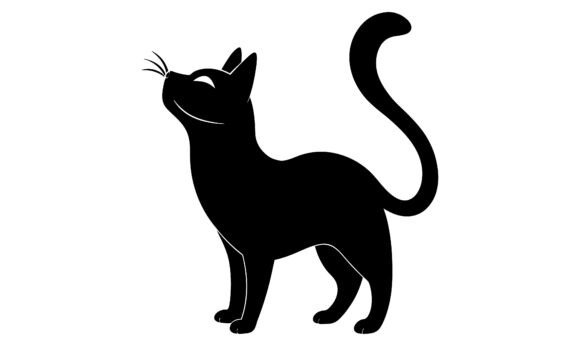
The sitting posture suggests a relaxed elegance, making it versatile enough for various themes. It feels at home in a nursery decor setting, yet it holds a certain edge suitable for adult-oriented custom apparel. The lack of internal detail means the design is less prone to "muddy" stitching, which is a common complaint with intricate graphics. For a handmade product intended to look professional, this clean outline offers a high-end finish that customers can appreciate from a distance.
Real-Life Application: From Screen to Stitch
Let me take you through a specific scenario. Imagine you are preparing a batch of tote bags for a local craft fair. You need a design that stands out against canvas but doesn't require hours of setup time. Black Cat Silhouette Sitting becomes the perfect candidate here. The solid shape allows for a quick fill or satin stitch approach, depending on your machine settings, ensuring you can churn out inventory without getting bogged down in tedious editing.
I also envision this design on a baby sweatshirt. Parents often prefer simple, recognizable imagery over busy patterns. A black cat silhouette embroidered on a soft grey or navy fabric would make a stunning personalized gift. The contrast between the dark thread and the lighter fabric ensures the design pops, creating a finished product that feels curated rather than mass-produced.
For commercial embroidery, this asset is a powerhouse. Think about branded aprons for a coffee shop or kitchen towels for a wedding registry. The minimalist nature of Black Cat Silhouette Sitting allows it to blend seamlessly with other text or smaller icons, creating a cohesive brand identity. It is the kind of design asset that elevates a crafter business by adding a touch of sophistication without overwhelming the garment.
Navigating Technical Challenges and Limitations
While the design is robust, no single file is a magic bullet for every situation. As an experienced reviewer, I must point out where Black Cat Silhouette Sitting requires careful handling. If you are working with small hoop sizes, such as those used for hats or patches, the proportions of the sitting cat might become too large or compressed. Always check the hoop size requirements relative to your final product dimensions.
Fabric texture plays a massive role in the success of any silhouette. On a highly textured fabric like bouclé or a very thin, stretchy jersey, the edges of the silhouette may distort. The lack of internal detail means the entire visual weight rests on the perimeter. If the stitch density is not adjusted correctly for the fabric type, the outline could pucker or lose its crispness. I strongly advise testing this embroidery file on scrap fabric first, especially if you are using a stabilizer that isn't standard for your material.
Dense stitch areas can be tricky. While a silhouette usually implies a solid fill, if the digitization includes heavy underlay or dense fill stitches, it might create a stiff spot on a garment like a sweatshirt embroidery piece. Conversely, if the fill is too light, the design might look sparse on a dark background. Balancing the thread colors and the fill technique is crucial for maintaining the integrity of the silhouette.
Where to Exercise Caution
There are specific use cases where you should proceed with extra caution:
- Curved surfaces: Applying this to a cap requires precise placement to ensure the curve of the hat doesn't warp the cat's posture.
- Dark fabrics: Ensure you have a contrasting thread color, perhaps white or gold, to make the silhouette visible, or be prepared for a tonal look that might be subtle.
- Layered garments: If embroidering over a pocket or seam, the bulk of the stitching might affect the drape of the item.
- Decorative accents: If used as a small detail on a larger design, ensure the scale remains appropriate so it doesn't get lost.
Impact on Product Value and Customer Trust
In the world of Etsy sellers and small shop products, presentation is everything. A poorly executed design can signal low quality, even if the fabric is premium. Black Cat Silhouette Sitting, when stitched correctly, signals professionalism. It shows that you understand the medium and have chosen a design that respects the limitations of embroidery.
Customers are increasingly savvy. They can tell the difference between a rushed job and one that has been thoughtfully designed. Using a clean, well-proportioned graphic like this enhances the perceived value of your finished product. It makes a holiday gift feel more special and a boutique branding item feel more established. The recognition factor is also high; a cat silhouette is universally understood, making it an accessible choice for a wide audience.
Practical Notes for the Embroidery Designer
Before you start running this design on your production line, there are several technical checks you must perform. First, review the stitch density in your software. If the file is provided as a cut file (SVG/EPS) rather than a native embroidery format, you will need to convert it carefully to avoid jagged edges. Check whether the design works for both personal and commercial projects by verifying the licensing terms, which are critical for commercial embroidery.
Always test the design in black and white mockups to visualize the contrast. Compare how it looks on light versus dark fabric backgrounds. If you are planning to sell these items, confirm the digital embroidery file specifications regarding machine compatibility. Not all machines handle dense fills equally well.
Finally, consider the end-use of the item. If the product is a kitchen towel or a blanket that will undergo frequent washing, ensure the stabilization is robust enough to prevent fraying. For embroidered patch applications, verify that the backing is suitable for iron-on or sew-on attachment.
By approaching Black Cat Silhouette Sitting with this level of scrutiny, you ensure that your work meets the highest standards. It is a versatile tool in the arsenal of any creative entrepreneur, capable of transforming a simple idea into a tangible, high-quality handmade product. Whether you are crafting a unique tote bag design or expanding your craft business offerings, this design offers a reliable foundation for your next successful project.