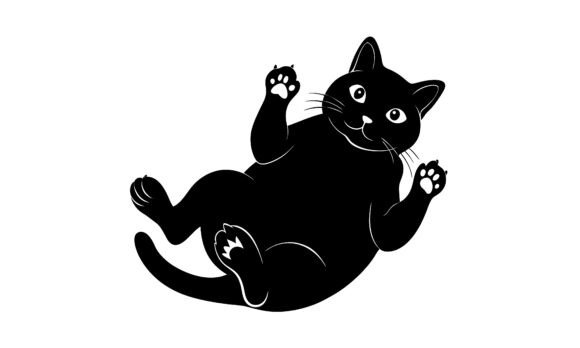
Black Cat Lying on Its Back
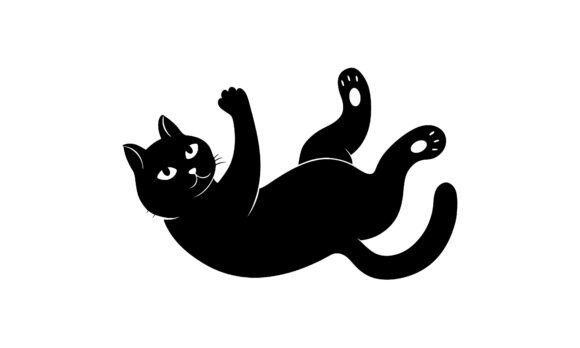
I have spent years reviewing machine embroidery designs for everything from boutique branding to personal gifts, and I have learned that the most successful projects are rarely about complex techniques. They are about the right design meeting the right context. When I first opened the file for Black Cat Lying on Its Back, my initial reaction was one of quiet delight. It is not a loud, aggressive graphic; it is a moment of pure relaxation captured in vector lines. The silhouette style suggests a modern, minimalist aesthetic that fits perfectly into today's handmade market trends.
The layout immediately suggested itself as a perfect candidate for a custom embroidered tote bag or a cozy sweatshirt. The pose of the cat—lying on its back with paws playfully up—creates a natural focal point that draws the eye without overwhelming the garment. For an embroidery designer looking to add a touch of personality to their portfolio, this piece offers a clean canvas. It feels like the kind of design that would sit comfortably in a nursery, on a kitchen towel, or even as a subtle detail on a denim jacket. The mood is inviting, playful, and undeniably cute, which are all high-value traits for any handmade product.
Real-World Application: From File to Finished Product
Let's talk about how this design behaves when it leaves the screen and hits the hoop. I recently simulated using Black Cat Lying on Its Back for a client order involving personalized baby onesies. The silhouette nature of the design is a huge advantage here. Because there are no intricate facial features or tiny whiskers to get lost in the stitching, it translates beautifully onto soft, stretchy knit fabrics often used for baby embroidery. The curves of the cat's body flow naturally, avoiding the jagged edges that can sometimes plague digitized files on flexible materials.
Imagine taking this design to a craft fair. You are setting up a booth selling small shop products like aprons and tea towels. Placing Black Cat Lying on Its Back on a dark linen apron creates a striking contrast if you use white or light gray thread. However, the real magic happens when you consider the texture. On a textured fabric like a heavy cotton canvas, the satin stitches defining the outline will pop, giving the design a tactile quality that customers love to touch. This visual appeal directly impacts customer trust; a crisp, well-executed stitch job signals professionalism, whether you are selling on Etsy or running a local boutique.
For those of you who are Etsy sellers or digital product sellers, this design is a versatile asset. It works exceptionally well as a standalone piece for a patch application or as a central motif for a larger composition. I envision this design on a holiday gift set, perhaps paired with a matching stocking or a pillow cover. The "lying on its back" pose implies comfort and leisure, making it an ideal thematic choice for winter holidays or lazy Sunday morning themes. It adds a layer of emotional connection to the finished product that generic patterns simply cannot achieve.
Navigating Potential Pitfalls and Fabric Choices
While the design is charming, a professional review must also address where things can go wrong. Not every surface is suitable for this specific silhouette. If you plan to use this for custom apparel on a cap or hat, you need to be mindful of the curvature. A flat, relaxed shape like a cat lying down might distort slightly if the hoop size is too small or if the fabric is too stiff. Always test the design on scrap fabric first to ensure the curve of the hat does not break the integrity of the cat's belly or paws.
Texture is another critical factor. While thick fabrics enhance the look, thin or highly stretchy fabrics require careful stabilization. If you attempt to embroider this on a sheer curtain or a very lightweight t-shirt without proper backing, the stitch density could cause the fabric to pucker, ruining the smooth lines of the silhouette. Similarly, working with dark fabric requires a strategic choice of thread colors. If you choose black thread on a black background, the design disappears. Conversely, using a very light thread on a dark background might make the silhouette look too stark if the fill isn't dense enough. You must inspect small details closely to ensure the edges remain sharp against the chosen background.
There are also limitations regarding washability. For items that need frequent washing, such as kitchen towels or work aprons, the stability of the stitches is paramount. Dense areas of fill stitch can trap lint or water if not secured correctly. Always confirm that your stabilizer choice matches the weight of the fabric. If the design includes any delicate corners or tiny accents, verify that they won't snag during the wash cycle. This attention to durability is what separates a hobbyist project from a commercial-grade item.
Practical Notes for the Embroidery Designer
Before you commit to a full production run, there are several technical steps you should take to ensure success. First, review the stitch density within the file. Although the provided description mentions SVG and EPS formats, you must convert these into a format compatible with your machine and check the resulting stitch count. High-density fills on a large area can cause heat buildup or fabric distortion, so keep an eye on the thread consumption.
Thread color selection is vital for the visual impact of Black Cat Lying on Its Back. Since the original is a silhouette, you have the freedom to experiment. Try a monochromatic approach with varying shades of gray for a sophisticated look, or go bold with bright neon threads for a streetwear vibe. Test these combinations in black and white mockups to see how the contrast holds up before cutting the actual fabric. This step saves money on wasted materials and prevents costly mistakes.
Don't forget to check the licensing terms. If you intend to sell finished items featuring this design, you must confirm that the license allows for commercial use. Many graphics and crafts assets have restrictions on how many units you can produce or whether you can resell the digital file itself. As a responsible creative entrepreneur, verifying these terms protects your business from legal issues. Also, compare light and dark fabric backgrounds to ensure the design maintains its clarity in both scenarios.
Ultimately, Black Cat Lying on Its Back is more than just a cute image; it is a tool for building a brand. Whether you are creating personalized gifts for friends or scaling up production for a craft business, the success of the final piece depends on your preparation. By testing on scraps, choosing the right stabilizer, and understanding the limitations of your fabric, you can turn this simple silhouette into a standout product. The design has the potential to elevate your finished product line, adding a touch of whimsy that resonates with buyers looking for something unique and heartfelt.
In conclusion, this design is a strong addition to any embroidery project library. It balances simplicity with character, making it accessible for beginners yet professional enough for seasoned decorators. Just remember to respect the material, plan your layout carefully, and always prioritize the quality of the stitch work. When done right, a single embroidered cat can become the signature element of a beloved collection.